In the relentless hum of urban existence, there exists a cadre of dedicated individuals whose work is often felt rather than seen. They are the city sound collectors, audio archaeologists who dedicate themselves to the meticulous task of recording the sonic tapestry of our metropolises. Their mission is not to capture the grand, obvious noises—the blaring sirens, the roaring subway trains, the cacophony of rush hour—but rather the subtle, often overlooked auditory details that form the true, whispered identity of a place. These are the sounds we have trained our brains to filter out, the background score to our lives that, when isolated and examined, tells a richer, more nuanced story than any history book ever could.
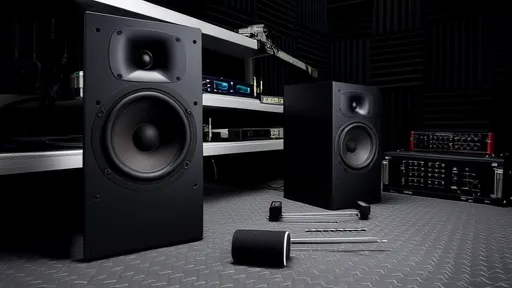
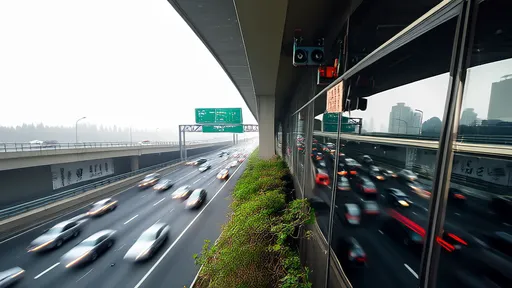
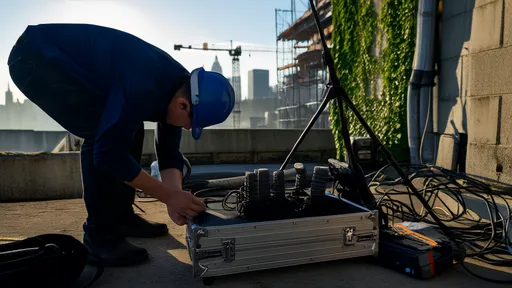
Armed with highly sensitive microphones, portable digital recorders, windshields that look like large fuzzy sausages, and an immense amount of patience, these collectors embark on their sonic safaris. They might spend hours, or even days, waiting for the perfect capture. Their toolkit is designed for one purpose: absolute fidelity. They are not interested in a clean, sterile sound; they seek authenticity. The rustle of a specific type of leaf in a particular park, the unique echo of footsteps in a narrow, tiled alleyway at 3 AM, the distant, almost melodic clanging of a flagpole rope against a metal mast—these are the gems they pursue. The challenge is immense, a constant battle against the very thing they are there to document: unwanted noise pollution. A distant jackhammer, a low-flying plane, or even a gust of wind can ruin hours of patient waiting, forcing them to reset and try again.
The philosophy driving this pursuit is rooted in the concept of acoustic ecology, a field pioneered by Canadian composer and environmentalist R. Murray Schafer. He argued that we must learn to listen to our environment critically, understanding the soundscape—a term he coined—as a crucial, and often deteriorating, component of our ecosystem. For modern sound collectors, this is more than a hobby; it is a form of preservation. They are creating an auditory archive of a world that is disappearing at an alarming rate. The gentle click-clack of a mechanical railway signal being replaced by a silent electronic one, the specific whirr of a vintage shop fan, the distinctive call of a local bird species whose habitat is shrinking—these sounds are becoming extinct. The collectors are, in essence, audio paleontologists, digging for fossils of noise that future generations may only ever experience through headphones.
Their work often takes them into a state of hyper-awareness, a form of deep listening that transforms the familiar into the foreign. A collector standing on a normally bustling street corner in the pre-dawn hours experiences a completely different city. The absence of human activity allows the infrastructure itself to speak. You hear the hum of electrical transformers, the drip of water from a fire escape, the creak of building settling. This practice rewires one’s perception. Where the average person hears a din, the trained collector hears a symphony of individual instruments, each with its own story, its own origin, its own reason for being. It is a practice in mindfulness, forcing a re-engagement with the present moment through the most visceral of senses.
The applications of these meticulously gathered sound libraries are vast and surprisingly practical. Filmmakers and video game developers are among the biggest patrons, sourcing authentic ambiances to create immersive worlds. The sound of a 1920s Parisian café or a futuristic spaceship corridor is often a patchwork of real, recorded sounds manipulated by a sound designer. Without these raw, clean field recordings, our entertainment would feel hollow and artificial. Furthermore, urban planners and architects are beginning to use these recordings to design better, more sonically pleasant spaces. By understanding what makes a park sound peaceful or a plaza sound chaotic, they can intentionally design to mitigate noise pollution and enhance acoustic comfort, contributing to the well-being of city dwellers.
Perhaps the most profound impact of this work is its ability to evoke memory and emotion with unparalleled power. A photograph can show you a place you once knew, but a recording can transport you there. The specific combination of sounds from a childhood neighborhood—the ice cream truck's jingle, the rustle of a specific tree, the chatter from a local market—can trigger a wave of nostalgia more potent than any image. Sound collectors are therefore also archivists of feeling. They preserve not just noises, but the emotional resonance attached to them. In a world that is increasingly homogenized, where every high street has the same chain stores, these unique sonic fingerprints become vital markers of cultural and local identity.
Engaging with the work of these urban listeners invites us to perform a simple but transformative act: to just stop and listen. It is an invitation to peel back the layers of noise we have learned to ignore and discover the hidden world of sound that exists just beneath. The next time you walk through your city, try to mute the conversation in your head and focus on the orchestra around you. Pick out one sound and follow it. You might be surprised by what you discover—a rhythm, a melody, a story you never knew was there. The city sound collectors are not just recording for archives; they are reminding us to listen, and in listening, to experience our world more deeply and completely. They teach us that the soul of a city is not just in its skyline, but in its sound.
By /Aug 22, 2025
By /Aug 22, 2025
By /Aug 22, 2025

By /Aug 22, 2025

By /Aug 22, 2025
By /Aug 22, 2025
By /Aug 22, 2025

By /Aug 22, 2025

By /Aug 22, 2025

By /Aug 22, 2025

By /Aug 22, 2025
By /Aug 22, 2025
By /Aug 22, 2025
By /Aug 22, 2025
By /Aug 22, 2025
By /Aug 22, 2025
By /Aug 22, 2025

By /Aug 22, 2025
By /Aug 22, 2025
By /Aug 22, 2025
