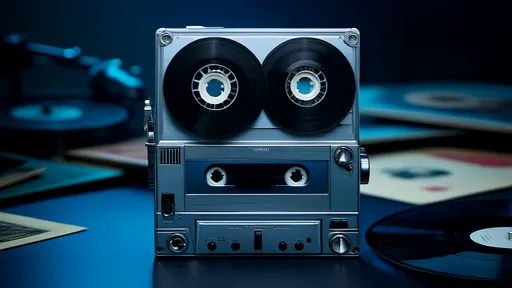
In the age of digital streaming and instant access, the concept of flipping a cassette tape to its B-side feels like a relic from a bygone era. Yet, for those who grew up in the analog age, the B-side was more than just the flip side of a record or cassette—it was a treasure trove of hidden gems, overlooked tracks, and experimental sounds that often surpassed the commercial hits on the A-side. The term "B-side" originated in the vinyl era, when singles were released with a primary track on the A-side and a secondary, often lesser-known, song on the B-side. Over time, this humble counterpart evolved into a cultural phenomenon, giving rise to unexpected classics, cult favorites, and artistic statements that defied mainstream expectations.
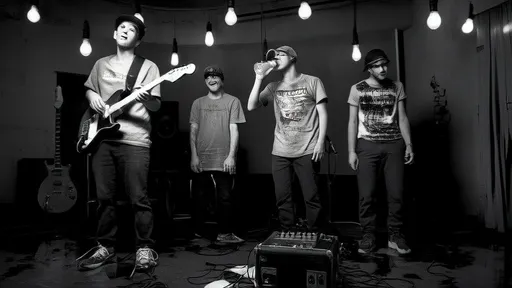
For musicians, the B-side offered a creative playground free from the pressures of commercial success. While the A-side was meticulously crafted to appeal to radio stations and top the charts, the B-side was a space for experimentation, improvisation, and raw expression. Artists like The Beatles, The Smiths, and Nirvana used B-sides to release tracks that didn't fit the mold of their albums but showcased their versatility and depth. The Beatles' "You Know My Name (Look Up the Number)," for instance, was a quirky, genre-blending B-side that revealed their playful side, while Nirvana's "Marigold" offered a glimpse into Kurt Cobain's quieter, more introspective songwriting. These tracks, though often relegated to the background, became beloved by fans for their authenticity and uniqueness.
The B-side also served as a testing ground for new sounds and ideas. In the 1980s and 1990s, as alternative and indie music gained traction, B-sides became a way for bands to connect with their most dedicated listeners. B-sides were frequently included as bonus tracks on singles, EPs, or limited editions, creating a sense of exclusivity and community among fans who sought them out. For groups like Radiohead or Oasis, B-sides like "Talk Show Host" or "Acquiesce" were not mere afterthoughts but integral parts of their discographies, often rivaling—and sometimes surpassing—the quality of their A-side counterparts. This culture of hidden treasures fostered a deeper engagement with music, where discovering a rare B-side felt like unearthing a secret.
However, the rise of digital music and the decline of physical media have transformed the concept of the B-side. In today's streaming-dominated landscape, the distinction between A and B-sides has largely faded. Albums are released as cohesive wholes, and singles are often promoted individually without a designated B-side. Yet, the spirit of the B-side lives on in deluxe editions, bonus tracks, and online exclusives. Artists now use digital platforms to release extra content, such as acoustic versions, remixes, or unreleased demos, which serve the same purpose as traditional B-sides: to reward loyal fans and offer a deeper dive into their creative process.
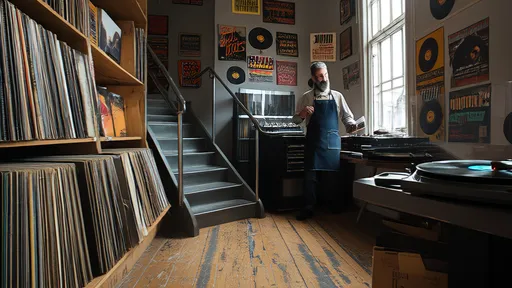
Despite these changes, the legacy of the B-side endures. It represents a time when music discovery was a tactile, intentional experience—flipping a tape, scouring record stores, or trading bootlegs with friends. The B-side celebrated the idea that art isn't always meant for mass consumption; sometimes, the most meaningful creations are found in the margins. As we look back on this era, it's clear that the B-side was not just a format but a philosophy: a reminder that greatness often lies off the beaten path, waiting for those willing to explore beyond the hits.
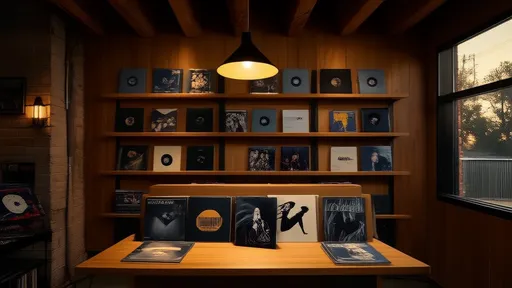
In an ironic twist, the very obscurity that once defined B-sides has now become their strength. In the age of algorithms and curated playlists, there's a growing appetite for the unexpected and the authentic—the kind of music that B-sides exemplified. Streaming services occasionally feature "deep cuts" or "hidden gems" playlists, echoing the thrill of discovering a B-side. Meanwhile, vinyl revivalists and cassette enthusiasts are keeping the physical tradition alive, cherishing the tangible connection to music that B-sides represent. The B-side may no longer be a formal category, but its ethos—of curiosity, exploration, and appreciation for the overlooked—resonates more than ever.
Ultimately, the journey from tape B-sides to the modern "B-side" concept is a story of how technology shapes art—and how art, in turn, adapts and persists. The B-side was a product of its time, yet its influence transcends eras. It taught us to listen deeper, dig harder, and value the stories behind the songs. In a world saturated with content, the spirit of the B-side invites us to slow down, seek out the unconventional, and find beauty in the forgotten. After all, sometimes the best treasures are hidden in plain sight, waiting on the flip side.
By /Aug 22, 2025
By /Aug 22, 2025
By /Aug 22, 2025

By /Aug 22, 2025
By /Aug 22, 2025
By /Aug 22, 2025
By /Aug 22, 2025
By /Aug 22, 2025
By /Aug 22, 2025
By /Aug 22, 2025
By /Aug 22, 2025
By /Aug 22, 2025
By /Aug 22, 2025

By /Aug 22, 2025

By /Aug 22, 2025
By /Aug 22, 2025
By /Aug 22, 2025

By /Aug 22, 2025
By /Aug 22, 2025
By /Aug 22, 2025
