In the streaming era's fragmented musical landscape, an unexpected revival has emerged from the digital archives: City Pop, a genre once confined to 1980s Japan, now captivates global listeners. This musical renaissance isn't merely nostalgia—it represents a cultural phenomenon where shimmering synths and smooth basslines from Tokyo's bubble economy period have found resonance in contemporary playlists. The genre's rebirth speaks to both technological accessibility and a collective yearning for sonic escapism during turbulent times.
City Pop emerged during Japan's economic zenith, when optimism flowed as freely as corporate expense accounts. Artists like Tatsuro Yamashita, Mariya Takeuchi, and Anri crafted sun-drenched soundscapes that blended American yacht rock, funk, disco, and jazz fusion with distinctly Japanese melodic sensibilities. Their music soundtracked a society embracing Western-style consumerism while developing its own cosmopolitan identity. The production quality was impeccably polished, mirroring the sleekness of new luxury goods flooding Japanese markets.
For decades, these recordings remained largely unknown outside Japan, cherished mainly by vinyl collectors and musicologists studying East-West fusion. The digital revolution changed everything. YouTube algorithms began suggesting City Pop tracks to users exploring vaporwave and future funk—microgenres that sampled these obscure Japanese records. Suddenly, Mariya Takeuchi's "Plastic Love," originally released in 1984, amassed millions of views from listeners who couldn't understand the lyrics but felt transported by its sophisticated groove.
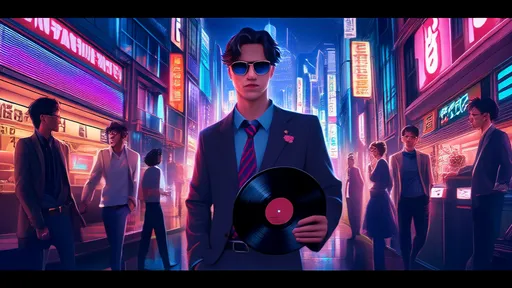
The visual aesthetic accompanying City Pop proved equally irresistible. Album covers featuring vibrant cityscapes, tropical sunsets, and stylish urbanites captured imagination on image-driven platforms like Instagram and Pinterest. This visual language offered a glamorous, slightly melancholic fantasy of metropolitan life that resonated with millennials and Gen Z navigating their own complex relationship with urban existence.
Music critics argue City Pop's revival coincides with contemporary trends in music production. Modern artists like Dua Lipa and The Weeknd have popularized 1980s-inspired synth sounds, creating fertile ground for the genre's reception. Yet where Western retro-revival often leans toward cynical nostalgia, City Pop maintains an earnest emotional core. Its unapologetic romanticism and technical perfectionism feel refreshing in an age of intentionally lo-fi bedroom productions.
The genre's lyrics, though initially inaccessible to non-Japanese speakers, reveal another layer of appeal. Many songs explore themes of transient romance, nocturnal city life, and gentle melancholy—universal emotions that transcend language barriers. When translations became widely shared through online communities, international fans discovered poetic narratives that deepened their connection to the music.
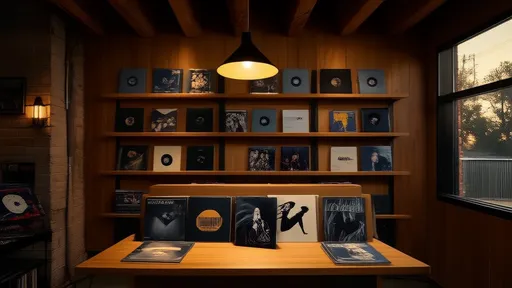
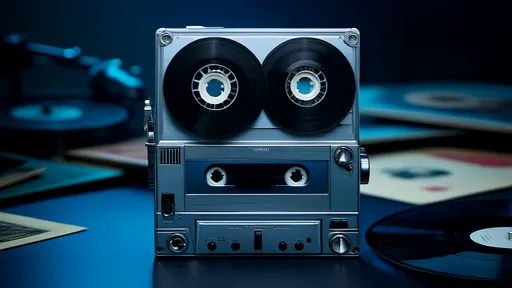
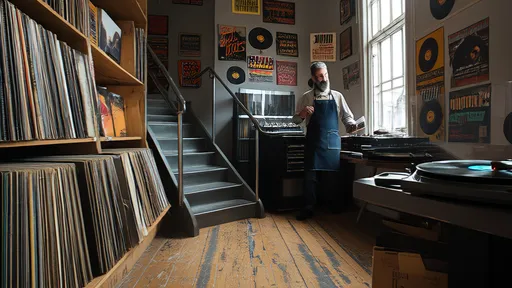
Vinyl reissues and dedicated streaming playlists have accelerated City Pop's global penetration. Specialized record stores from Brooklyn to Berlin now feature sections for Japanese imports, while YouTube channels meticulously restore and remaster audio from original cassettes and LPs. This curatorial enthusiasm reflects genuine devotion rather than commercial calculation, giving the revival an authentic grassroots quality.
Some sociologists suggest the genre offers musical refuge from modern anxieties. The bubble era's carefree optimism provides psychological escape from today's perpetual crises, while the music's technical excellence counters what some perceive as declining production standards in algorithm-driven pop. In City Pop, listeners find both emotional transport and audio craftsmanship rarely achieved in contemporary chart music.
Interestingly, the revival has sparked creative reciprocity. Contemporary Japanese artists like Friday Night Plans and Yorushika incorporate City Pop elements into new works, while Western producers collaborate with surviving icons of the era. This isn't mere revivalism but evolutionary dialogue between generations and cultures—proving the genre's foundational elements remain vibrantly relevant.
As with any rediscovered cultural artifact, questions of context occasionally arise. Some scholars caution against divorcing the music from its original socioeconomic environment—a period of excessive speculation that ended in devastating recession. Yet most listeners engage with City Pop not as historical document but as living art, recontextualizing its sounds through contemporary sensibilities.
The phenomenon demonstrates how digital platforms can resurrect artistic works from geographical and temporal isolation. In an interconnected world, cultural products no longer remain confined to their original audiences but embark on second lives across continents and generations. City Pop's journey from Japanese vinyl to global streaming exemplifies this new cultural paradigm.
Ultimately, the genre's enduring appeal may lie in its unique temporal quality. Unlike many period-specific genres, City Pop doesn't sound dated but suspended outside time—a perfect audio simulation of endless summer twilight. It offers not just nostalgia for a specific past, but nostalgia for possibilities unrealized, for parallel futures that might have been. This bittersweet timelessness continues to captivate listeners seeking beauty and sophistication in their musical diet, proving that great production and emotional authenticity transcend eras and borders.
By /Aug 22, 2025
By /Aug 22, 2025
By /Aug 22, 2025

By /Aug 22, 2025

By /Aug 22, 2025
By /Aug 22, 2025

By /Aug 22, 2025
By /Aug 22, 2025
By /Aug 22, 2025
By /Aug 22, 2025

By /Aug 22, 2025
By /Aug 22, 2025
By /Aug 22, 2025
By /Aug 22, 2025
By /Aug 22, 2025
By /Aug 22, 2025
By /Aug 22, 2025

By /Aug 22, 2025
By /Aug 22, 2025
By /Aug 22, 2025
