In the quiet hours of the night, when the world slows to a hush and the mind struggles to unwind, a unique form of companionship has emerged from the digital ether. Goodnight radio, a genre dedicated to lulling listeners into a peaceful slumber, has become a sanctuary for the weary. At its heart are the voices—the hosts who have transformed the simple act of speaking into a gentle art form, a digital lullaby for a generation grappling with insomnia, anxiety, and the relentless pace of modern life.
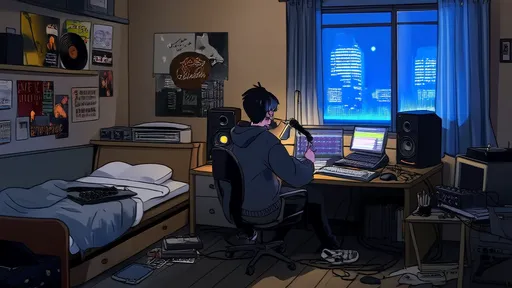
These hosts are not traditional radio personalities broadcasting from slick studios. They are often individuals recording from the quiet corners of their own homes, armed with little more than a quality microphone, a passion for connection, and a deep, resonant understanding of the need for calm. Their content is a world away from the day's news cycles or high-energy talk shows. Instead, they craft audio experiences designed to lower the heart rate and quiet the internal monologue. The topics are meandering and soft-focused: readings of classic literature or poetry, gentle narrations of mundane but comforting activities, guided visualizations of serene landscapes, or simply the host’s own whispered, rambling thoughts on the nature of dreams and rest.
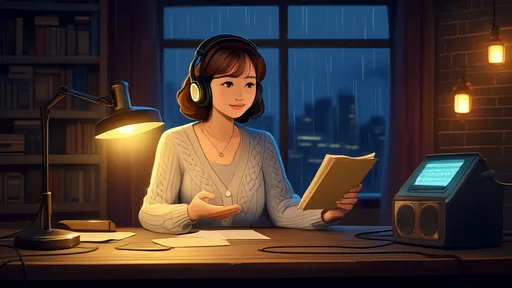
The power of this medium lies almost entirely in the human voice. The hosts cultivate a specific vocal quality—a slow, measured pace, a lower pitch, and a warm, empathetic tone that feels both intimate and anonymous. It is the voice of a friend you’ve never met, a presence that is there for you without demanding anything in return. They master the use of pauses, allowing silence to sit comfortably in the audio space, giving the listener’s mind room to breathe and settle. Every um, every breath, every subtle shift in tone is part of the performance, creating an authenticity that highly produced content lacks. This raw, unpolished humanity is precisely what makes it so effective; it reassures the listener that they are not alone in their quiet vulnerability.
For the listeners, the relationship with these nocturnal guides is profoundly personal. In the darkness of their rooms, the voice from their smartphone becomes a trusted confidant, a constant in a chaotic world. Many listeners report that these broadcasts are the only thing that quiets their anxiety enough for sleep to take hold. The comments sections on these platforms are filled with heartfelt testimonials—stories from students under exam pressure, new parents stealing moments of rest, shift workers trying to reverse their sleep schedules, and individuals simply feeling lonely. They speak of the host’s voice as a "security blanket for the ears" or a "warm hug in audio form." This creates a unique parasocial relationship, where the listener feels a deep, one-sided bond with the host, a connection built on trust and the shared, intimate goal of finding peace.
The platforms hosting this content have become digital campfires around which a global community of night owls gathers. While podcasts were the initial vessel, dedicated apps like Calm and Headspace have commercialized the concept with celebrity-narrated sleep stories. However, the soul of the movement remains on platforms like YouTube and independent podcast feeds, where amateur hosts build communities organically. Listeners don’t just consume the content passively; they actively engage, requesting specific topics, sharing their own sleep struggles, and offering support to one another in the comments. This transforms the experience from a solitary listen into a collective ritual, a shared journey into rest undertaken by thousands of individuals simultaneously, yet alone in their own beds.
What does the future hold for these sonic somnolents? As audio technology advances, we are already seeing the incorporation of 3D or binaural sound to create even more immersive experiences, making the listener feel as if the host is right there in the room. However, the core appeal will always be the primal, comforting power of a human voice speaking gently into the night. In an increasingly automated and disconnected world, these hosts offer something priceless: a human touch, transmitted through the airwaves, reminding us that even in our most solitary moments, someone is out there, wishing us a good night.
By /Aug 22, 2025
By /Aug 22, 2025

By /Aug 22, 2025

By /Aug 22, 2025

By /Aug 22, 2025
By /Aug 22, 2025

By /Aug 22, 2025

By /Aug 22, 2025

By /Aug 22, 2025

By /Aug 22, 2025
By /Aug 22, 2025

By /Aug 22, 2025

By /Aug 22, 2025

By /Aug 22, 2025

By /Aug 22, 2025

By /Aug 22, 2025

By /Aug 22, 2025

By /Aug 22, 2025

By /Aug 22, 2025
By /Aug 22, 2025
