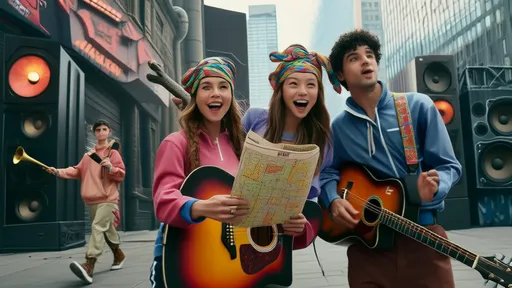
In the wake of the immensely popular reality show "Band Summer," which brought underground and independent musicians into the mainstream spotlight, the lives of these artists have undergone dramatic shifts—both promising and precarious. While the show offered a golden ticket to fame for a select few, the broader landscape for independent musicians remains a complex tapestry of opportunity and struggle.
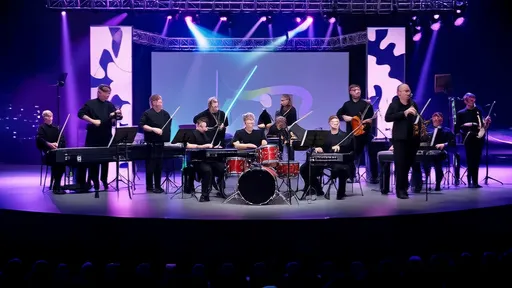
For those bands catapulted to stardom, the immediate aftermath was nothing short of transformative. Sold-out concerts, brand endorsements, and a sudden influx of loyal fans became their new reality. Yet behind the glamour, many found themselves navigating the pressures of commercial expectations, tight schedules, and the relentless demand to produce hits that resonate with a mass audience. The creative freedom that once defined their music now often feels negotiated, if not compromised.
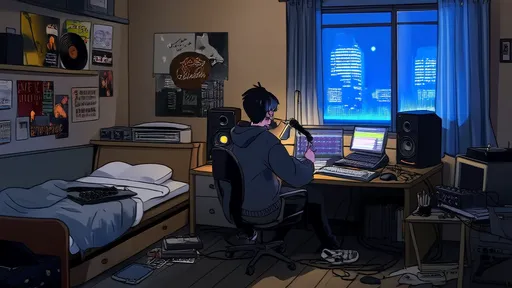
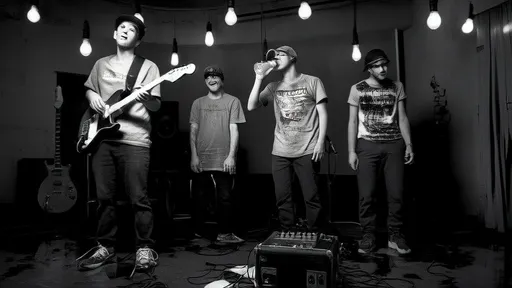
However, the spotlight cast by "Band Summer" has not illuminated all corners of the independent music scene. Countless talented artists who did not feature on the show, or who participated but failed to make a deep impression, continue to operate in the shadows. Gigs at small venues, self-funded recordings, and the constant hustle to gain listeners define their daily grind. Financial instability is a persistent companion, with many musicians balancing part-time jobs to sustain their artistic pursuits.
The digital era, while democratizing music distribution, has also saturated the market. Streaming platforms provide global reach but often meager royalties. Standing out in an ocean of content requires not just talent, but savvy marketing, social media presence, and sometimes, plain luck. For every viral success, there are thousands of quality tracks that go unheard, lost in the algorithmic abyss.
Moreover, the pandemic dealt a severe blow to the live music ecosystem—a critical revenue stream for indie artists. Even as stages slowly reopen, the recovery is uneven. Smaller acts face booking challenges, reduced audience turnout, and higher operational costs, making tours and performances less viable than before.
Yet, amid these challenges, a spirit of resilience and innovation thrives. Many musicians are turning to alternative models: direct fan engagement through platforms like Patreon, exclusive digital content, virtual concerts, and collaborative projects. Independent labels and DIY communities are fostering support networks that prioritize artistic integrity over commercial appeal.
The legacy of "Band Summer" is thus twofold. It has undeniably elevated the profile of independent music, attracting new audiences and investment into the scene. But it has also highlighted the stark disparities within it. The show’s narrative of overnight success is a rarity; for most, the journey is long, demanding, and far from glamorous.
As the industry evolves, the true survival of independent musicians may depend on a more sustainable ecosystem—one that values diverse voices, supports grassroots venues, and ensures that artists can thrive without sacrificing their creative souls. The spotlight from "Band Summer" was a beginning, not an end, and the real work continues off-camera.
By /Aug 22, 2025
By /Aug 22, 2025
By /Aug 22, 2025
By /Aug 22, 2025
By /Aug 22, 2025
By /Aug 22, 2025

By /Aug 22, 2025
By /Aug 22, 2025

By /Aug 22, 2025
By /Aug 22, 2025

By /Aug 22, 2025
By /Aug 22, 2025

By /Aug 22, 2025
By /Aug 22, 2025
By /Aug 22, 2025
By /Aug 22, 2025
By /Aug 22, 2025
By /Aug 22, 2025
By /Aug 22, 2025
By /Aug 22, 2025
